Stir-frying over a warm flame, coaxing out the elusive wok hei aroma, or slow-braising a fragrant stew - those are extra than cooking ideas. They are rituals, handed down through households and fashioned by way of generations of cooks. Central to those traditions stands the wok, a vessel equally humble and with no end in sight versatile. Yet even between professional residence cooks, the query lingers: is a forged iron wok or a carbon steel wok the improved better half inside the kitchen?
This determination is not really a trouble-free count number of fabric. It’s approximately how you prepare dinner, what flavors you seek, and even the place you are living. Having cooked with both varieties for years, in cramped residences and spacious dwelling kitchens, I’ve noticed how each rewards and demanding situations its consumer. Let’s look carefully on the cast iron wok vs carbon steel wok debate, drawing now not in basic terms from technical specs but additionally from the lived feel of everyday cooking.
The Wok: More Than Just a Pan
A wok is absolutely not simply an Asian frying pan. Its rounded form, sloped sides, and deep bowl are designed for tossing foodstuff over intense warmth, maximizing the Maillard response, and permitting a variety of cooking tactics: stir-frying, steaming, braising, deep-frying, even smoking. This versatility makes the decision of cloth highly substantive.
While up to date kitchens be offering every little thing from nonstick to stainless steel woks, forged iron and carbon metal continue to be the gold requisites between traditionalists and specialists alike. Each brings its very own set of strengths and quirks to the desk.
Material Basics: What Sets Cast Iron and Carbon Steel Apart
At first look, equally substances ship that coveted sear and improve a healthy nonstick surface with use. But their underlying homes fluctuate in approaches that form each factor of the cooking trip.
Cast iron is an alloy with a greater carbon content material, making it demanding however brittle by nature. Chinese cast iron woks are traditionally thinner https://blogfreely.net/brittelxxx/a-beginners-guide-cast-iron-wok-vs-carbon-steel-wok than their Western skillet counterparts but still incredibly heavy. They retain warmth extraordinarily well and distribute it calmly once warm, even though they do take longer to warm up.
Carbon steel, via comparison, involves less carbon and is extra malleable. Woks comprised of carbon metal are lighter, warmth up swiftly, and respond very nearly out of the blue in case you adjust the flame. However, they don’t preserve onto warmness as stubbornly as forged iron does.
Neither drapery is stainless or rust-evidence. Both require seasoning - that task of building up polymerized oil layers to create a protecting, semi-nonstick coating - and equally call for care to avert rusting or stripping that beneficial floor.
Handling and Weight: The Feel in Your Hands
The first time you decide on up a conventional solid iron wok, you are going to be surprised by its heft. Even the lighter Chinese versions can weigh from four to 7 pounds for a typical 14-inch wok. Western cast iron woks (like these made by Lodge) can weigh extra than 10 pounds. For some chefs, this solidity brings self assurance - the wok sits stable on the burner and retains warm in the time of vigorous frying.
But for those who would like to toss cuisine simply or lift the wok with one hand, carbon steel is a great deal greater forgiving. A in style 14-inch carbon metallic wok may weigh just 2 to a few pounds. This agility allows for for speedy tossing and shaking, predominant for reaching that signature “wok hei” flavor in Cantonese stir-fries.
I remember teaching a collection of youngsters to cook their first stir-fry. With the solid iron wok, even the strongest between them hesitated to boost and tilt it for plating. When we switched to carbon metallic, everybody might flip the ingredients with self belief. For home cooks with smaller fingers or less top physique energy, or for all people with wrist trouble, the big difference is not really trivial.
Heating Behavior: Speed Versus Stability
In sensible terms, solid iron woks excel at warmth retention. Once added as much as temperature, they hold a stable, even warmness across the surface. This makes them best suited for deep-frying or gradual braises - the temperature doesn’t drop dramatically when bloodless meals are extra.
However, that equal belongings shall be a limitation for high-warm stir-frying. Cast iron heats slowly and takes time to settle down. If you misjudge and permit it get too scorching, chances are you'll burn aromatics beforehand you have got a danger to recover. Adjusting your flame gives you only sluggish adjustments.
Carbon steel, having said that, is responsive and short on its feet. It heats up in moments and cools down just as speedy while the flame is decreased or food is tossed out. This nimbleness gives you appropriate management, which is why authentic Chinese kitchens well-nigh universally use carbon metallic woks over roaring fuel burners.
If your kitchen has a powerful gas range or specialised wok burner, carbon metallic helps you to make the maximum of that heat. In assessment, on weaker electric powered stovetops the place sustained warm is harder to gain, forged iron’s thermal mass grants a treasured buffer.
Seasoning: Building and Keeping the Patina
Both styles of woks require seasoning. This system creates a layer of polymerized oil that stops rust and imparts some nonstick houses. Yet the ease and toughness of that seasoning differ among solid iron and carbon metallic.
Cast iron’s rougher surface texture enables oil polymerize and adhere. With careful use and everyday renovation, its seasoning can turn out to be just about bulletproof over months or years. The patina typically develops a glassy sheen reminiscent of effectively-adored solid iron skillets.
Carbon metallic begins smoother yet builds up seasoning in a timely fashion. The coating might be more subtle at the start - aggressive scrubbing or acidic sauces would strip it away until it will become neatly frequent. On the plus facet, re-seasoning a carbon steel wok is typically speedier and much less intimidating.
One trick I found out from my grandmother: after every one use, wipe a skinny movie of oil onto a hot wok previously storing it. This ritual, practiced for each fabrics, step by step builds a long lasting patina and helps to keep rust at bay.
Cooking Versatility: What Each Wok Does Best
If your cooking leans closer to immediate, excessive-warm stir-fries with plenty of tossing and searing, carbon steel shines vivid. It’s what Chinese eating place chefs reach for whilst chasing wok hei - that smoky, elusive aroma created by means of oil vaporizing on intensely hot steel.
Cast iron comes into its personal for slower dishes that improvement from even heat and steadiness. Red-cooked red meat belly, braised tofu, or perhaps shallow frying spring rolls all gift cast iron’s potential to guard temperature with out scorching spots.
I’ve additionally located that forged iron woks excel for deep-frying in homestead kitchens with weaker burners. Once stuffed with hot oil, they hold the temperature secure even when adding batches of cold foodstuff - much less hazard of soggy or greasy outcome.
Still, the two varieties perform admirably across maximum suggestions should you adapt your strategy. For example, whilst through carbon metal for braises or deep-frying, prepare dinner over minimize heat and stay clear of unexpected temperature swings.
Maintenance Realities: Cleaning, Rust, and Repairs
Neither wok is as carefree as sleek nonstick cookware. Water left on both will in a timely fashion result in rust; lingering cuisine acids can strip seasoning; soaking overnight is ill-steered. Yet these woks also praise care with many years of service.
Cast iron woks are more often than not greater forgiving once you slip up occasionally - minor rust or seasoning loss will also be scrubbed off and re-seasoned with endurance. Their thick partitions are less prone to warping underneath prime heat.
Carbon metallic is extra at risk of warping if overheated dry or greatly surprised with bloodless water although warm. Its thinner partitions additionally mean that deep pits or dents can also spell crisis faster.
As for cleaning workouts: never use soap until you intend to re-season immediate after. Instead, scrub lightly with sizzling water and a gentle brush or bamboo wok whisk (the “wok chuan”). Dry effectively over low warm and oil calmly until now storing.
Real-World Use: The Learning Curve
Every cook faces an adjustment interval while adopting a average wok - noticeably if shifting from Western pans or nonstick surfaces.
With forged iron, endurance is fundamental for the duration of preheating and seasoning renovation. You’ll learn to read diffused cues: how lengthy until eventually a drop of water skitters across the floor in place of hot out straight away; whilst smoke signals “in a position.” Once ingrained, these behavior emerge as 2d nature.
Carbon steel calls for vigilance at the start considering the fact that its seasoning is fragile till constructed up by repeated use. Acidic dishes like tomato-elegant sauces can strip away your exhausting work except your patina is thoroughly matured.
Both praise familiar use with more suitable efficiency over the years - an incentive to make stir-fried vegetables or fried rice component to your weekly rhythm.
Comparing Cast Iron Wok vs Carbon Steel Wok: At a Glance
For people that have fun with part-through-area comparisons:
| Feature | Cast Iron Wok | Carbon Steel Wok | |-----------------------------|----------------------|---------------------| | Weight | Heavy (four-10+ lbs) | Light (2-4 lbs) | | Heat Retention | Excellent | Good | | Heat Responsiveness | Slow | Fast | | Ease of Tossing | Limited | Excellent | | Seasoning Durability | Builds slowly however lasts | Builds rapid but would possibly strip | | Prone to Warping | Rarely | Occasionally | | Price (frequent US market) | $30-$80 | $20-$50 | | Ideal for | Braising, deep frying| Stir-frying |
Choosing Based on Your Kitchen Setup
The exact wok incessantly relies upon as an awful lot on your stove as your recipes.
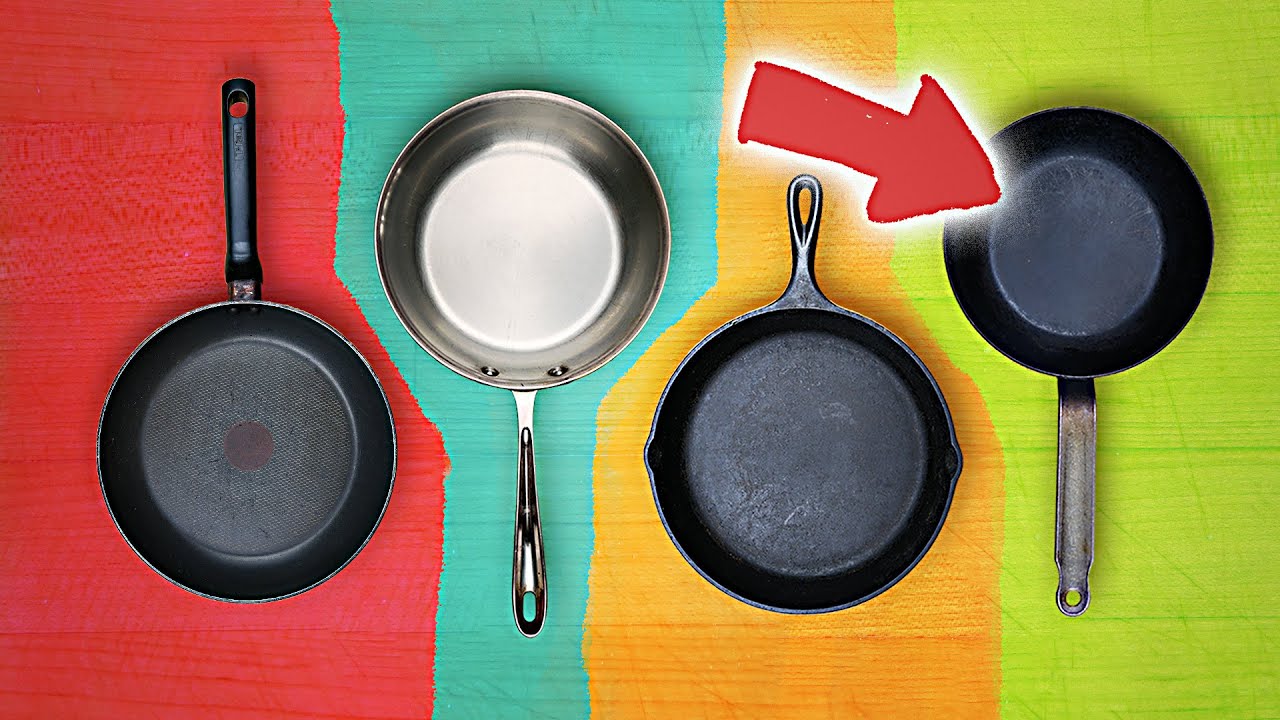
Gas stoves with reliable burners play nicely with either materials but free up carbon steel’s complete capacity for instant tosses and wok hei flavor bursts.
Electric coil or glass-height stoves show challenges for conventional around-bottomed woks regardless of subject matter - flat-bottomed models exist however tend to sacrifice a few tossing agility. Here, solid iron’s thermal mass is helping compensate for gradual heating aspects.
If house is tight or your kitchen lacks robust ventilation, think how as a rule you’ll desire to deep-fry or sear at prime warmness indoors. A lighter carbon metallic wok is less demanding to maneuver under awkward vent hoods or at cramped stovetops.
Upkeep Tips: Getting Decades Out of Your Wok
A effectively-cared-for wok turns into an heirloom - I’ve used carbon steel units that outlasted several apartments and two moves across country traces.
Here’s a concise list for long-time period care:
Always dry your wok effectively after washing. Apply a skinny layer of neutral oil whereas nevertheless hot. Avoid long soaks or acidic meals unless seasoning is mature. Store in a dry location; if stacking with other pans, region paper towels between to give protection to the seasoning. Occasionally re-season as wanted via heating with oil except gently smoking.Neglect those steps probably enough, and both forged iron and carbon steel will punish you with rust or sticky patches; follow them regularly, and your wok will praise you with many years of faithful carrier.
Flavor and Tradition: Beyond Technicalities
The debate among cast iron wok vs carbon steel wok seriously is not well-nigh efficiency metrics or repairs routines. It’s tied to culture and reminiscence.
When I consult with my aunt in Guangzhou, her battered carbon metal wok consists of decades of historical past: ghosts of garlic fried in beef fat, scratches from bamboo spatulas wielded by way of impatient arms. In her kitchen, velocity concerns - dishes movement from flame to desk in mins flat.
By assessment, my neighbor in Taipei sluggish-braises pork noodle soup in her kinfolk’s forged iron wok passed down from her mom. The heavy pot by no means leaves the stove throughout iciness months; its intensity and balance imbue each and every batch with warmth.
Both memories take me back to the fact that deciding on a wok is as an awful lot approximately personal rhythm as technical specifications.
When One Isn’t Enough
Some passionate cooks come to be possessing the two types for various responsibilities - employing carbon metallic for stir-fries on weeknights and breaking out cast iron for weekend braises or deep-fried treats.
If your funds or garage permits basically one wok, take note your so much prevalent dishes and your kitchen ergonomics certainly else.
Sourcing Your Wok: What to Look For
Whether choosing forged iron or carbon metal, seek for these aspects:
- A diameter of 12 to 14 inches fits maximum domicile stages. Traditional spherical-bottomed shapes excel on fuel; flat-bottomed models paintings superior on electric powered stoves. Welded or riveted handles provide incredible grip; picket handles reside cool but may well want tightening over the years. Avoid woks with chemical nonstick coatings - they lack longevity and reduce high-warmness searing.
The most efficient fee by and large comes from restaurant delivery retail outlets or Asian markets instead of prime-conclusion retailers; costs hardly ever exceed $50 for greatest exceptional until you decide upon boutique brands.
The Verdict: Cast Iron Wok vs Carbon Steel Wok
No average resolution exists given that authentic kitchens run on individual desires and habits.
If you crave quick stir-fries with smoky charred flavors and want whatever thing mild ample for tossing and simple flipping, carbon metal will get my nod anytime.
If your recipes skew toward gradual-cooked stews or deep-frying wherein regular temperature reigns supreme - primarily on much less potent burners - solid iron is still unbeatable.
The beauty lies in how the two elements invite palms-on care and transform with use. Whichever direction you determine, your wok becomes now not just cookware yet an extension of your hand and heritage - prepared for no matter what flavors look forward to your next meal.