Few kitchen debates stir as an awful lot pastime as the alternative between a solid iron wok and its carbon metal counterpart. For somebody who has hovered over a searing-warm pan, spatula in hand, chasing that elusive breath of the wok - wok hei - the appropriate instrument can make or damage the ride. I’ve cooked enormous quantities of stir-fries in house kitchens and bustling restaurant traces, and the query comes up over and over: solid iron or carbon metallic?
Let’s dig into what certainly things on the stove - not just chemistry or marketing, but the lived realities of seasoning, heat leadership, sturdiness, flavor, and the texture on your hands.
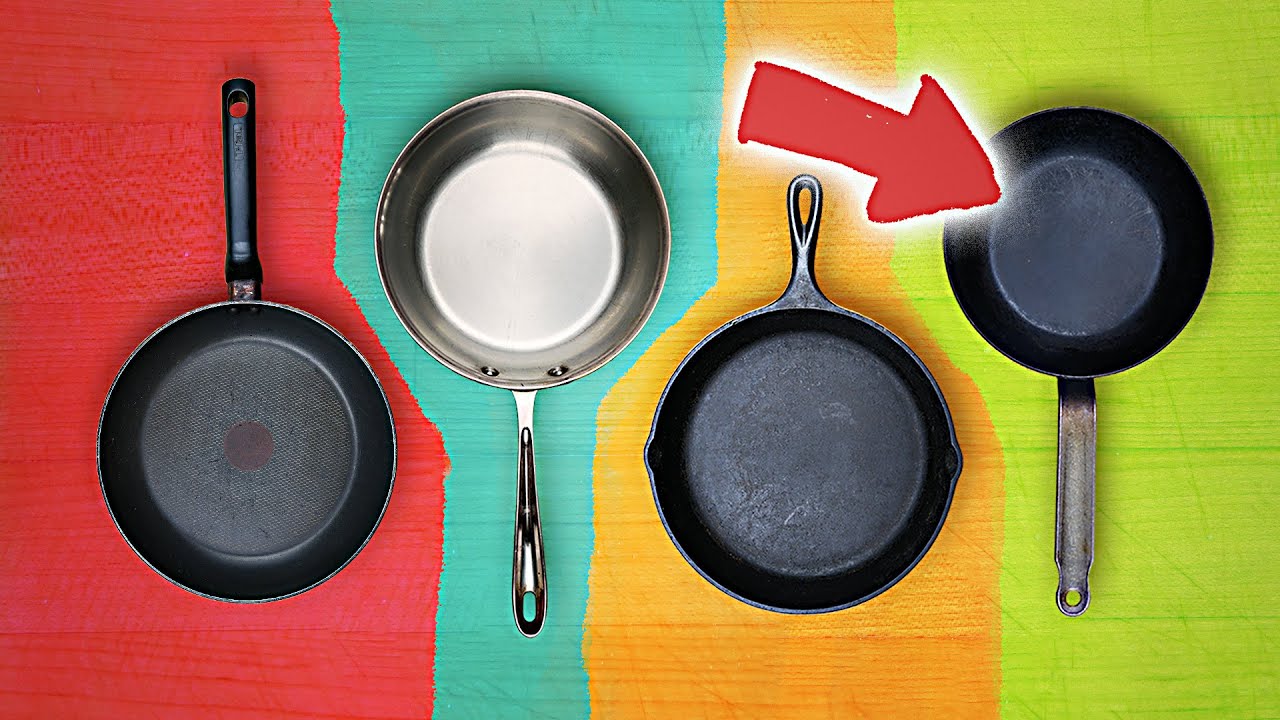
The Heart of a Stir-Fry: What Makes a Wok Special?
Before comparing components, it’s price pausing to imagine what a wok is designed to do. Unlike a Western skillet, a wok has a spherical backside (on occasion flat-bottomed for Western stoves), tall sloping aspects, and a quite thin go-section. This form isn’t simply culture - it makes it possible for for turbo tossing of food, top warmness at the bottom, smooth warmth along the partitions, and efficient stream for the period of cooking.
A fabulous stir-fry calls for three things: extreme warm retention, speedy temperature variations whilst ingredients are additional, and a floor that encourages caramelization with out sticking. The textile of your wok shapes all 3.
Cast Iron Woks: Weighty Traditions
Cast iron has an almost mythic recognition between cooks. In China’s north, in which gasoline changed into traditionally less considerable and gradual-cooked stews extra time-honored, cast iron woks became a staple. These don't seem to be the thick-walled Western skillets you in finding at old department shops. Traditional Chinese solid iron woks customarily have thinner walls (frequently as low as 2 millimeters), making them lighter than their Western cousins yet nonetheless tons heavier than carbon metallic.
When you go with up a cast iron wok, you note two things out of the blue: heft and presence. A 14-inch Chinese-flavor cast iron wok could weigh four to 6 kilos, although a few Western-made versions tip past eight pounds. This mass provides cast iron its mythical heat retention and evenness.
But that identical heft can make tossing delicacies tough for a lot of cooks. If you will have wrist disorders or basically wish to cook dinner with one hand on the spatula rather than two fingers on a heavy pan, this isn't a trivial main issue.
Seasoning Cast Iron
Seasoning provides solid iron its nonstick floor and targeted patina. With both use (and highly with high-warmness stir-frying), oil polymerizes onto the metallic, construction up a slick layer that protects against rust and eases meals liberate. In my ride, correctly seasoned Chinese-vogue solid iron woks strengthen a deep bronze-black sheen after a dozen or so makes use of.
Western-type thick forged iron might also take longer to broaden this seasoning through its rougher surface texture out of the box. Some brands now pre-season their pans, however traditionalists still swear via their very own multi-step seasoning rituals - burning off factory coatings, applying thin coats of flaxseed or vegetable oil, then baking or heating over flame.
Heat Management
Cast iron excels at holding heat once it’s warm. This is equally a blessing and a curse for stir-frying. On one hand, it approach your wok received’t cool off dramatically after you add cold components - an elementary trait for searing meats or greens. On the opposite hand, it’s slow to reply to tweaks in burner output. If you want to drop from searing to simmering in seconds, solid iron received’t oblige; it lags in the back of your commands.
In real-global phrases: in the event you’re cooking sizeable batches or prefer to ensure that even browning across every chew, forged iron shines. But if you want agility - flipping from blistering heat to easy sauce relief - it is going to suppose slow.
Durability and Maintenance
A thoroughly maintained cast iron wok can remaining generations. I’ve viewed century-historic pans in rural Chinese kitchens still pumping out fried rice with flair. But neglect breeds rust effortlessly. After washing (never with soap), invariably dry wholly over warmness and rub in a skinny sheen of oil. The biggest hazard is losing it: when robust in primary use, forged iron is brittle as compared to metal and may crack if struck challenging or dropped onto stone flooring.
Carbon Steel Woks: The Pro’s Choice
Walk into close to any Chinese eating place kitchen - from Beijing nutrients stalls to San Francisco’s Chinatown - and most woks may be carbon steel. There’s proper rationale: carbon metallic gives you a great stability of velocity, responsiveness, weight, affordability, and taste progress.
A traditional 14-inch carbon metallic wok weighs approximately 2 to 3 https://brookspjtc568.lowescouponn.com/pros-and-cons-of-cast-iron-woks-vs-carbon-steel-woks pounds - every now and then much less. The subject material is resilient but skinny satisfactory to warm shortly and reply instantly to transformations in flame intensity.
The Ritual of Seasoning
If there’s a rite of passage for wok proprietors, it’s seasoning a uncooked carbon metallic pan for the 1st time. Most arrive with a blue-gray finish from production oils or anti-rust coatings. This desires to be scrubbed off completely until now use - quite often with scorching water and a scouring pad.
Once bare metal is uncovered, you warmness the wok until eventually it smokes, then rub in skinny layers of top-smoke-point oil typically until a deep golden-brown patina emerges. The wok darkens over time with use; after months or years of normal stir-frying, it turns very nearly black.
Unlike Teflon-lined pans, this typical seasoning improves as you prepare dinner - extraordinarily with fatty ingredients like red meat abdominal or fried eggs.
Heat Responsiveness
Speed is the place carbon metal shines brightest. The skinny metal heats up quick - now and again in below a minute over a prime-powered burner - and cools pretty much right now while taken off the flame. For residence chefs simply by usual gasoline tiers (most commonly 7,000 - 18,000 BTU), this agility manner you're able to push warm difficult for searing, then tame it down for saucing with no burning your aromatics.
It also manner less possibility of overcooking delicate substances like shrimp or leafy veggies. If your target is crisp-mushy greens that continue their shade and snap, carbon metallic provides unrivaled manipulate.
Durability in Everyday Life
Carbon metal is much less brittle than solid iron; it is able to bend a bit below strain yet not often cracks or chips unless abused. It will rust if left rainy or saved in humid environments with out oiling after cleaning. Still, so much domicile chefs discover upkeep more uncomplicated since it doesn’t call for as a great deal oiling as common solid iron.
The principal danger is warping if heated too aggressively whilst empty - a thing to observe out for on potent burners.
Wok Hei: Chasing the Elusive Flavor
No dialogue of woks might be total with no addressing wok hei - literally “the breath of the wok.” This elusive flavor comes from excessive searing at prime warm, micro-charring of oils and aromatics, fast vaporization of juices, and the subtle metallic tang of professional metal.
Both supplies can produce wok hei less than well suited circumstances, but there are differences worthy noting.
Carbon metallic’s responsiveness makes it more straightforward to attain those fleeting moments whilst warm peaks just suitable for Maillard reactions devoid of burning. Professional cooks wielding useful burners can toss substances simply by fire-laced air for seconds at a time - a specific thing made realistic via mild carbon metallic woks.
Cast iron can attain an identical effects if preheated absolutely and used over strong warm assets. However, its slower responsiveness capacity timing is trickier; there’s much less margin for mistakes between most appropriate sear and scorched cuisine.
Practical Considerations: What Fits Your Kitchen?
Stir-fry mastery isn’t with regards to physics; it’s about matching gear to environment. Here are components I’ve observed topic such a lot in abode kitchens:
- Burner capability: Most dwelling house stoves max out nicely lower than legitimate wok burners (which can blast out over 100,000 BTU). On average burners, thinner carbon steel heats up fast adequate for correct searing; thick forged iron may additionally battle to succeed in height temperatures. Stove style: Round-bottomed woks paintings premier on fuel stoves with wok jewelry; flat-bottomed options are better for electric or induction levels. Cooking taste: If you adore tossing delicacies theatrically or biking as a result of assorted dishes in fast succession, carbon metal’s lightness wins out. For batch cooking or deep-frying in one vessel, cast iron keeps warmth superbly. Maintenance habits: Forget to dry your wok after washing? Carbon metallic will forgive occasional lapses more quite simply than solid iron.
The Feel in Your Hands
No spec sheet can seize how those pans really feel whilst cooking dinner after a long day. After years in the back of the two different types of woks, I find carbon metal close to disappears in use - it becomes an extension of your wrist as you toss fried rice or slide greens up the sides for mushy steaming.
Cast iron calls for extra planned motions. Its inertia rewards endurance: searing frivolously allotted proteins or slowly crisping tofu cubes with no constant motion.
Some dwelling cooks love the steadiness of solid iron’s weight; others curse it anytime they are attempting to boost it off the range with one hand complete of sizzling oil.
Edge Cases: When Cast Iron Wins
While maximum legitimate kitchens default to carbon steel for speed and handle, there are situations where forged iron shines:
- Deep-frying: Its thermal mass continues oil hot even if adding cold parts. Stewing: For dishes like braised beef belly (hong shao rou) or crimson-cooked red meat shank, cast iron’s evenness fosters sluggish-simmered tenderness. Legacy cookware: Many households in northern China skip down skinny-walled cast iron woks which might be lighter than modern Western models however hold the entire merits.
If your cooking leans closer to those styles otherwise you favor one wok to serve as equally stir-fry vessel and Dutch oven alternative, cast iron may make greater feel.
When Carbon Steel Surpasses
For natural stir-frying - imagine quick vegetable tosses, fried noodles, or kung pao white meat - carbon steel easily outpaces every part else for dwelling cooks.
Its affordability is yet one more draw: fine carbon metallic woks from reputable makers in most cases check between $30 to $60 new (as of past due 2023), as opposed to $eighty-plus for same solid iron fashions.
A Quick Comparison
Here’s a distilled part-by means of-part view:
| Feature | Cast Iron Wok | Carbon Steel Wok | |-----------------------|------------------------|-------------------------| | Weight | Heavier (four-eight lbs) | Lighter (2-three lbs) | | Heat Retention | Excellent | Good | | Heat Responsiveness | Slow | Fast | | Seasoning | Builds slowly | Builds quick | | Ease of Tossing | Challenging | Easy | | Rust Resistance | Needs vigilance | Fairly forgiving | | Price | Usually bigger | Usually cut down | | Durability | Brittle if dropped | Tougher under stress | | Best For | Deep-frying, braising | Stir-frying |
How to Season Your Wok (Step-with the aid of-Step)
Proper seasoning is the most important for equally resources yet somewhat more convenient with carbon metallic attributable to its clean conclude. Here’s how I help new wok owners:
Scrub off any manufacturing facility coating because of scorching water and a scouring pad. Dry wholly over medium heat. Add a tablespoon of prime-smoke-element oil (grapeseed or peanut paintings well). Swirl oil across all surfaces; wipe away extra. Heat until eventually smoking; repeat oiling if necessary till pan darkens.Afterwards, avert as a result of your wok regularly - both meal improves its floor.
Real-World Anecdotes
A family member of mine inherited her grandmother’s skinny-walled forged iron wok from northern China; it’s been in use for over 60 years and has outlasted 3 stoves. The taste it imparts to egg fried rice is unmistakable - whatever thing about years of developed-up seasoning creates layers no new pan can reflect.
On the other hand, in my very own kitchen lined with gas burners that slightly push 10,000 BTU in keeping with ring, my trusty carbon steel wok handles weeknight stir-fries with aplomb. It heats quick ample that I can whip up ginger beef or highly spiced mapo tofu without preheating for a while or being worried about scorched edges.
Sometimes nostalgia wins out; different instances physics does.
The Case for Owning Both
If kitchen space lets in, nothing beats having equally treatments readily available. For speedy meals or cooking for one or two laborers, carbon metal reigns ideal for agility and velocity. When web hosting site visitors or deep-frying tempura for a crowd, that good sized previous forged iron wok earns its maintain.
But so much dwelling house chefs will turn out to be accomplishing for one a long way extra by and large situated on their personal conduct - so permit your weeknight certainty dictate your determination.
Final Thoughts
The most excellent wok is the only that matches your stove, fits your cooking model, and appears like an antique good friend after a few shared foods. Cast iron brings heft, lifestyle, and unbeatable warmness retention for unique dishes; carbon steel delivers pace and keep an eye on for regular stir-fries.
If you’re nevertheless torn between cast iron wok vs carbon metallic of course this element, don’t overthink it: commence with carbon metal for its versatility and approachability. As your capabilities grow - or when you uncover yourself craving those slow-braised flavors - there’s normally room for a different wok down the road.
Happy stir-frying!